Login
Login
 Registration
  Contact
  En
En 

Bathroom brassware is usually specified as part of a complete room scheme rather than as a series of separate products. In residential and hotel projects, basin mixers, bath fillers, shower controls and accessories need to work together in terms of design, finish, installation and daily use.
The challenge is that a product can look right in a design concept but still be unsuitable for the project once installation conditions are considered. Concealed valves may need specific wall space, shower systems may require higher flow capacity, and some finishes may not be available across every product category.
For this reason, good brassware specification starts with the bathroom layout, plumbing conditions and intended user experience. Once these are clear, designers and project teams can select products that are easier to coordinate, install and maintain across the full project.
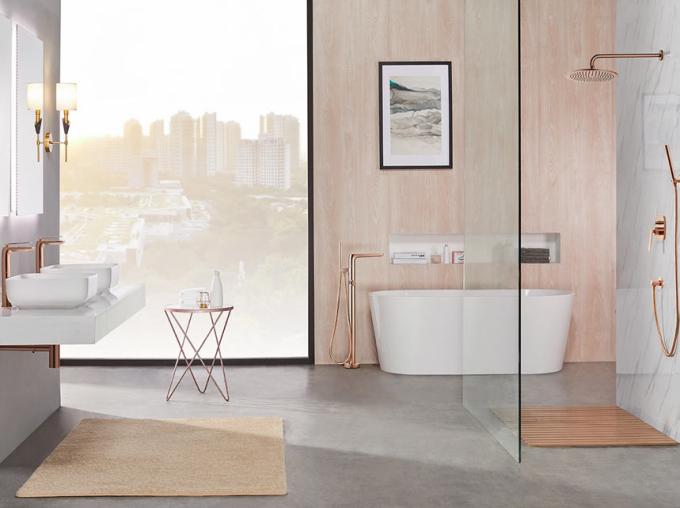
The bathroom layout should be established before individual brassware models are finalized. The position of the basin, bath and shower determines not only where water needs to be delivered, but also which installation types are practical.
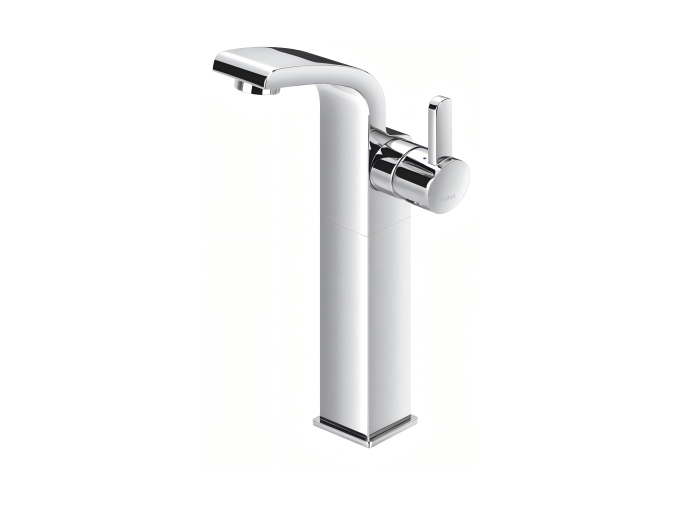
For a basin, for example, a deck-mounted mixer may suit a conventional vanity, while a wall-mounted mixer can create a cleaner countertop and a more architectural appearance. The latter, however, requires the concealed components and pipework to be planned before the wall is completed.
The same principle applies to showers. Exposed shower mixers keep much of the working system accessible, whereas concealed controls place the valve body behind the finished wall. Concealed systems can create a cleaner visual result, particularly in contemporary hotel and residential bathrooms, but they require earlier coordination between the designer, plumbing contractor and installer.
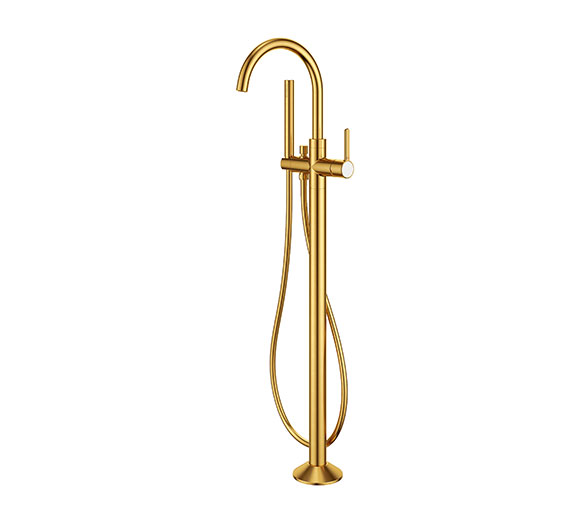
Bath configuration also affects brassware selection. A built-in bath may work with wall-mounted or deck-mounted controls, while a freestanding bath may call for a floor-mounted bath filler or another layout that keeps the product visually connected to the bath.
Before specifying the final products, the project team should therefore confirm where each fixture will be installed, how much space is available behind finished surfaces, and whether important serviceable components will remain accessible after completion.
A coordinated bathroom does not require every fitting to look identical. What matters is that the major elements share enough visual language to feel intentional when they are viewed together.
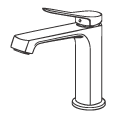
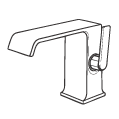
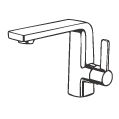
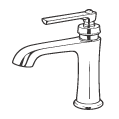
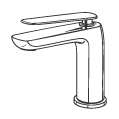
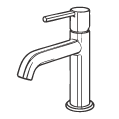
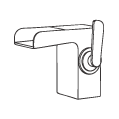
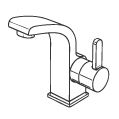
The basin mixer is often one of the most visible items in the room, but it should not be selected independently from the bath and shower. Spout proportions, handle shapes, curves, edges and control details can all influence whether the finished scheme feels consistent.
This is particularly important in hotels, serviced apartments and multi-unit residential projects. When the same concept is repeated across many bathrooms, small inconsistencies become much more noticeable. Selecting products from a coordinated range can simplify this process because basin, bath and shower products have already been developed around a common design direction.
Function should still influence the combination. A bathroom may use a simple single-lever basin mixer alongside a more sophisticated thermostatic shower because the two areas perform different tasks. Visual coordination should therefore support functional requirements rather than force every fitting into exactly the same configuration.
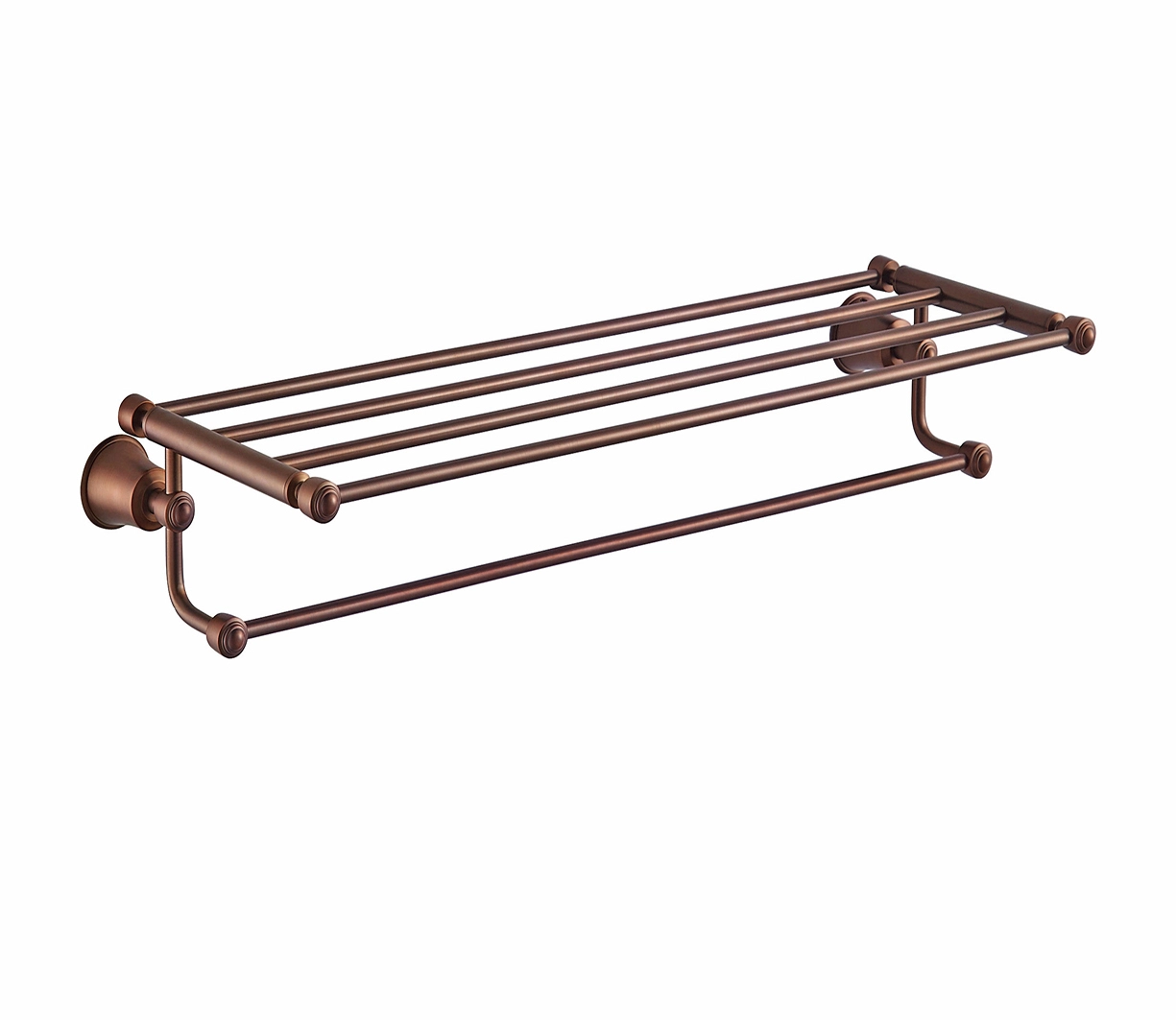
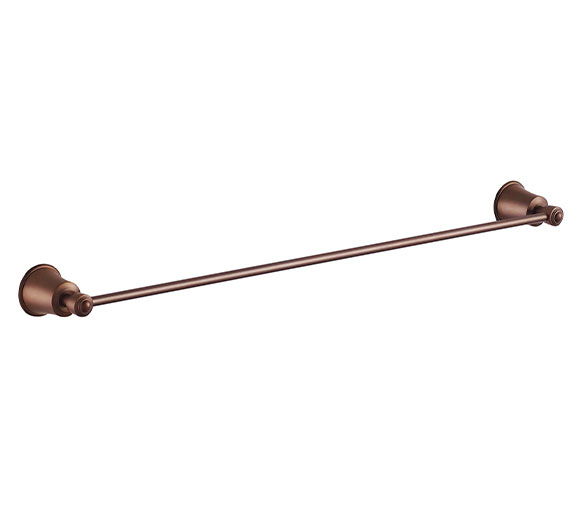
Accessories are another part of the specification that is easy to leave until late in the project. Towel bars, robe hooks, toilet roll holders and similar fittings can disrupt an otherwise consistent design if their shapes or finishes are noticeably different from the main brassware. Including them in the specification early makes it easier to maintain the intended bathroom character from the basin area through to the shower zone.
Bathroom brassware should be selected according to the water conditions it will actually operate under. A visually suitable mixer is not necessarily the correct technical choice for every building.
For basin and bath products, project teams should check whether the available supply is appropriate for the selected product and the expected filling or washing performance. Shower systems require even closer attention because several components may depend on the same supply.
A straightforward shower with one outlet places different demands on the plumbing system from a multi-function shower containing a large overhead shower, hand shower and additional outlets. If several functions are intended to operate together, the valve, pipework and hot-water system all need to support the combined demand.
Pressure should also not be considered in isolation. Real shower performance depends on the complete water path, including the incoming supply, pipe dimensions, mixer or valve, downstream connections and the outlets themselves. A higher-capacity valve cannot compensate for inadequate supply elsewhere in the installation.
For hotel projects, this becomes particularly relevant because guest experience needs to remain reasonably consistent across different rooms and periods of building use. Plumbing conditions should therefore be confirmed before a particular shower configuration is repeated throughout the property.
Where more complex showers are being specified, it is useful to define which outlets need to operate simultaneously before selecting the control system. This allows the system to be designed around actual use rather than simply selecting the largest or most feature-rich valve available.
Finish selection influences both the appearance of the bathroom and the consistency of the overall project. Chrome remains highly adaptable, while finishes such as brushed brass, brushed gold, brushed nickel, matt black and darker metallic tones can give a bathroom a more distinctive identity.
The important question for a project specification is not simply which finish looks attractive on one mixer. Designers should establish whether the chosen finish is available across the basin, bath, shower and accessory products required for the scheme.
FLOVA currently offers more than ten finish options across its product portfolio, including Chrome, Brushed Brass, Brushed Nickel, Matt Black, Brushed Gold, Steel Grey and Oil-Rubbed Bronze. Availability can vary by series and product, so finish coordination should be checked at range level rather than assumed from a single item.
Different interior materials can also change the way a finish is perceived. Brushed brass and warmer gold tones can complement timber, warm stone and neutral surfaces, while matt black can create stronger contrast against lighter tiles and sanitaryware. Brushed nickel and grey metallic finishes often provide a quieter transition between warm and cool materials.
In hotel and multi-unit projects, long-term consistency deserves additional attention. If fittings may need to be replaced later, using a coordinated product family can make future maintenance and refurbishment easier than specifying unrelated products solely because their finishes appear similar at the start of the project.
Cleaning requirements should also be considered. Project operators should follow the manufacturer's care instructions and avoid assuming that every decorative finish should be maintained in exactly the same way.
FLOVA develops basin mixers, bath mixers, shower systems and bathroom accessories within a range-based product structure, allowing different areas of a bathroom to be specified around a consistent design direction.
For example, FLOVA collections such as Moonlight extend across basin, bath and shower products rather than stopping at a single faucet. This makes it possible to coordinate the visible elements of the bathroom while still choosing different product configurations according to the functional requirements of each area.
The wider FLOVA product range includes deck-mounted and wall-mounted basin mixers, bath mixers, concealed and exposed shower solutions, thermostatic options and matching bathroom fittings. This gives designers greater flexibility when the same visual concept needs to work across different bathroom layouts.
For project specification, Flova brassware can therefore be approached as a coordinated system rather than a collection of isolated taps. A designer can establish the preferred series and finish first, then check which basin, bath, shower and accessory configurations are appropriate for each room type.
This approach is particularly useful for residential developments and hospitality projects where multiple bathroom layouts may share one interior concept. A standard guest room, suite and accessible bathroom do not necessarily require identical products, but they can still maintain a recognizable design language through related shapes and finishes.
Technical considerations should remain part of the process. Installation method, concealed space, flow requirements, shower control preferences and local project requirements should all be confirmed before the final specification is approved.
If you are specifying Flova brassware for a hotel, residential development or other bathroom project, contact FLOVA to discuss the required layouts, finishes and product configurations for your project.
Successful bathroom brassware specification brings together design, plumbing requirements and long-term project practicality. The process should begin with the bathroom layout and installation conditions, followed by the functional requirements of the basin, bath and shower. Finish and visual coordination can then be considered across the complete room rather than product by product.
For larger residential and hotel projects, this system-based approach becomes especially valuable. It reduces the risk of discovering installation conflicts late in the project and helps maintain a consistent bathroom identity even when different room types require different product configurations.
By combining coordinated product families with appropriate technical selection, Flova brassware can support bathroom schemes in which appearance, control and installation requirements are considered as part of the same specification process.
Bathroom brassware commonly includes basin taps or mixers, bath fillers, shower mixers and controls, along with related fittings and accessories used throughout the bathroom.
Not necessarily, but using a consistent finish usually creates a more unified result. If finishes are intentionally mixed, the combination should be planned across the whole bathroom rather than product by product.
Check the available wall space, plumbing layout, water supply, required outlets and access for installation and future servicing before the wall is closed.
Design consistency, reliable operation, installation compatibility, maintenance requirements and suitability for the building's water conditions should all be considered before final selection.


+86-576-87332270